The post Automating Efficiency: Minimizing Runoff in Cannabis Grows to Protect the Environment appeared first on Droidcure.
]]>In today’s environmentally conscious world, minimizing water and fertilizer runoff is paramount. This not only protects our precious water resources but also prevents a specific nutrient, phosphorus, from becoming an environmental hazard.
The Science Behind Phosphorus Runoff
Doctor Bruce Bugby, a leading researcher in cannabis cultivation, emphasizes the importance of responsible nutrient management. Phosphorus (P) is a crucial element for plant growth in the right amounts, but excess runoff can have detrimental consequences.
Here’s why:
Algal Blooms
Excessive phosphorus acts like a supercharger for algae in lakes, rivers, and streams. These rapid algal blooms cloud the water, blocking sunlight and hindering photosynthesis for aquatic plants. As the algae die and decompose, they deplete oxygen levels in the water, creating hypoxic dead zones where fish and other organisms suffocate. This ecological disruption not only harms aquatic life but also disrupts recreational activities and fisheries, impacting local economies.
Surface Water Contamination
Phosphorus runoff contaminates surface water sources, making them unsafe for drinking, recreation, and even some agricultural uses. Treatment facilities can remove some phosphorus, but the process is expensive and energy intensive. The long-term effects on human health, particularly for vulnerable populations, are still being researched, but the potential risks are significant.
Slowly Poisoning Our Soil
While some phosphorus is beneficial for soil health, oversaturation can have the opposite effect. Excess phosphorus binds with other essential nutrients like iron and zinc, making them unavailable for plant uptake. This disrupts the delicate balance of soil chemistry, leading to stunted growth and reduced yields for future crops, cannabis or otherwise.
Responsible Cultivation Starts at Home: Minimizing Runoff for Eco-Conscious Growers
While automation offers advanced solutions for large-scale cultivation, minimizing runoff is an essential practice for all home cannabis growers. Here’s how you can achieve responsible cultivation in your own space
Master Measurement: Ditch the guesswork! Invest in measuring spoons or calibrated watering cans to ensure you’re delivering the exact amount of nutrients your plants need. Following a pre-determined feeding schedule based on plant stage and nutrient strength will further prevent over-fertilization, a major cause of runoff.
Mindful Monitoring: Become a keen observer of your plants. Signs of nutrient deficiency or excess will be visible in leaf color, growth patterns, and overall health. By paying close attention to these cues, you can adjust your nutrient feeding accordingly, preventing unnecessary runoff.
Resourceful Reuse: Don’t let a drop go to waste! Consider capturing runoff water in a container. Once the sediment settles, the leftover liquid can potentially be diluted and reused for future feedings, or even spread on your landscape or veggie garden (depending on which nutrients you are using, of course). Remember to check the pH and nutrient concentration before reintroducing it to your plants.
Leading by Example
Our founders are passionate about putting theory into practice. By constantly refining our methods and leveraging the data from experts like Dr. Bugby, we’re excited to be able to achieve near-zero runoff in our own grows.
A Sustainable Future
By adopting responsible nutrient management strategies, growers can ensure their operations are environmentally responsible, cost-effective, and contribute to a thriving, sustainable cannabis industry.
Contact Droidcure at [email protected] if you want to talk more about minimizing nutrient runoff, or to discuss how our automated curing device can streamline your post-harvest process.
Let’s work together to raise awareness and cultivate a brighter future for the cannabis industry!
The post Automating Efficiency: Minimizing Runoff in Cannabis Grows to Protect the Environment appeared first on Droidcure.
]]>The post Organic & Sustainable Cannabis Gardening: Growing Green, Growing Safe appeared first on Droidcure.
]]>But for some, cultivating a truly organic garden is a priority. Organic gardening emphasizes natural methods, fostering a healthy ecosystem for your plants and the environment.
What Does “Organic” Mean for Cannabis?
There isn’t currently a federal certification process for organic cannabis. However, many states, including Minnesota, follow the guidelines set by the National Organic Program (NOP). These guidelines prohibit the use of synthetic fertilizers, pesticides, and herbicides.
Growers can achieve a flourishing organic cannabis garden by focusing on these practices:
Living Soil
For outdoor growers, building healthy soil teeming with beneficial microbes is the foundation of organic cannabis gardening. Composting kitchen scraps and yard waste is a fantastic way to achieve this. The resulting compost provides a rich, natural nutrient source for your plants, feeding the soil food web and promoting healthy microbial activity. This translates to better nutrient breakdown and availability for your cannabis.
Consider incorporating mycorrhizae as well, a type of beneficial fungi, into your soil mix. These microscopic wonders form a symbiotic relationship with plant roots. The mycorrhizae extend a vast network of filaments far beyond the reach of a plant’s root system, essentially creating a secondary root zone. This extended network allows the plant to tap into a much larger volume of soil, significantly increasing its ability to absorb water and nutrients, especially vital ones like phosphorus and micronutrients. In return, the plant supplies the mycorrhizae with sugars produced through photosynthesis.
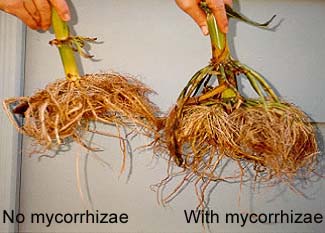
Adding mycorrhizae isn’t only about maximizing nutrient uptake. These fungi also play a role in improving plant stress tolerance by helping them resist drought, disease, and even some pest pressures. Think of them as tiny partners working in harmony with your cannabis plants to promote overall health and resilience.
Natural Pest Control
Organic pest control goes beyond just reacting to infestations. It’s about creating a balanced ecosystem in your cannabis garden that discourages pests and fosters beneficial organisms. Here are a few key strategies to employ:
Companion Planting: Certain plants like marigolds, nasturtiums, and lavender can deter pests with their strong scents or act as trap crops, attracting aphids away from your cannabis.
Insecticidal Soaps: When pest pressures arise, opt for insecticidal soaps derived from natural ingredients like neem oil. These soaps work by smothering the soft bodies of insects like aphids and mites, offering a safe and effective control method.
Beneficial Nematodes: Organic pest control has another weapon in its arsenal: beneficial nematodes. These microscopic worms are natural predators of a variety of common garden pests, including aphids! Different nematode species target specific insects. For aphid control in your cannabis garden, look for nematodes like this Triple Blend Mix on Amazon (non-affiliate link).
They pose no threat to humans, pets, or beneficial insects, and they biodegrade quickly in the soil. However, it’s important to note that nematodes are living organisms and their effectiveness depends on factors like soil moisture and temperature. Be sure to follow the specific application instructions for the chosen nematode species to optimize their success in your specific climate and growing environment.
Organic Fertilizers
Supplement your soil with amendments like composted manure, alfalfa, fish emulsion, and organic bone meal to provide essential nutrients for growth.
Whether we’re planting in our landscape, vegetable garden, or cannabis grow, we almost always amend the soil with a mixture of alfalfa + mycorrhizae, then add additional nutrients that make sense for the particular plant. The exception is plants that don’t need as much nitrogen (such as root vegetables), in which case we skip the alfalfa.
How to Select Organic Fertilizers
When choosing nutrients for your organic cannabis garden, selecting OMRI listed products is a great place to start. The Organic Materials Review Institute (OMRI) is a non-profit organization that reviews and approves products suitable for use in organic production.
Synthetic fertilizers can sometimes contain heavy metals like cadmium, lead, and arsenic. These elements can accumulate in cannabis plants and pose health risks to consumers. Additionally, heavy metals can contaminate the soil, harming the overall health of your garden ecosystem.
As of 2023, Washington was the only state in the country to have adopted Canadian standards, which U.S. regulators consider rigorous.
This goes beyond cannabis growers. When growing anything consumable, it’s important to research your fertilizers first so you’re not putting harmful substances into your body.
~
Embracing the organic approach in your cannabis garden isn’t just about what you don’t use, it’s about cultivating a thriving, well-balanced environment. This lets your plants flourish naturally, ultimately providing you with a safe and enjoyable product.
The post Organic & Sustainable Cannabis Gardening: Growing Green, Growing Safe appeared first on Droidcure.
]]>